Commercial Pizza Oven ROI – How to Pay Off Your Oven in 12–24 Months
Introduction
In the United States, pizza remains one of the most profitable and high-demand menu categories. With over 70,000 pizzerias operating nationwide and billions in annual pizza sales, U.S. operators face constant pressure to serve more customers, faster, with consistent quality.
This is why the commercial pizza oven has become one of the most strategic investments a restaurant can make — not just a piece of equipment, but a direct driver of revenue, efficiency, and long-term profitability.
With the right oven choice and a data-backed operational plan, many U.S. kitchens see full ROI within 12–24 months, and some achieve it even sooner.
In this guide, we break down how U.S. operators achieve strong Commercial Pizza Oven ROI through higher throughput, energy efficiency, and operational consistency.
1. Why the U.S. Market Enables Fast ROI
-
The U.S. commercial pizza oven market is growing steadily, fueled by fast-casual expansion and delivery demand.
-
Global forecasts show the market rising from $4.8B in 2025 to over $9B by 2035, reflecting strong equipment adoption and technological improvements.
-
American consumers continue to order pizza at one of the highest per-capita rates worldwide, keeping ovens in constant use.
High demand + high throughput capacity = strong ROI environment.
2. Why the U.S. Market Enables Fast Commercial Pizza Oven ROI
Industry estimates place most ovens in this range:
-
$5,000–$30,000+, depending on fuel type, size, and production capacity.
-
Conveyor ovens — the preferred choice for high-volume U.S. operations — sit near the top of that range.
-
Additional U.S. operational costs may include:
-
Professional installation
-
Ventilation/HVAC compatibility
-
Utility setup (gas or electrical)
-
Annual service
-
Energy usage for continuous operation
-
For ROI modeling, $20,000 represents a realistic mid-range total investment for many American operations.
3. How a Commercial Pizza Oven Generates Revenue in the U.S.
A. Increased Production Capacity
Modern conveyor and deck ovens drastically increase pizzas-per-hour. Many conveyor units produce 20–50 pizzas/hour, depending on configuration.
More output = more revenue during peak lunch, dinner, and game-day rushes.
B. Lower Cost Per Pizza
Energy-efficient ovens reduce utility consumption and eliminate re-bakes and burnt product, lowering total cost per pizza. Some industry guides cite 20–30% energy savings with modern ovens.
C. Faster Ticket Times
Speed and consistency are crucial in delivery-heavy U.S. markets:
-
Lower bake times
-
Tighter order flow
-
More orders per hour
-
Improved customer experience
D. Less Downtime
Reliable ovens allow operators to maintain consistent hours and predictable output — critical for U.S. delivery and online-ordering platforms.
4. ROI Example for a U.S. Restaurant
Moderate-Volume Example
| Metric | Estimate | Result |
| Initial investment | $20,000 | — |
| Extra pizzas produced | +10/hr | — |
| Monthly production hours | 100 | — |
| Price per pizza | $12 | — |
| Added annual revenue | 10 × 100 × $12 × 12 | $144,000 |
| Extra utilities | −$6,000/year | — |
| Margin on added revenue (40%) | ≈ $55,200/year | — |
Payback: $20,000 ÷ $55,200 ≈ 4.4 months
Conservative Example
| Metric | Estimate |
| Extra pizzas | +5/hr |
| Hours | 80/month |
| Price | $10 |
| Added annual revenue | $48,000 |
| Margin | 30% (≈ $14,400) |
| Payback | ≈ 17 months |
 Still within the 12–24 month ROI window.
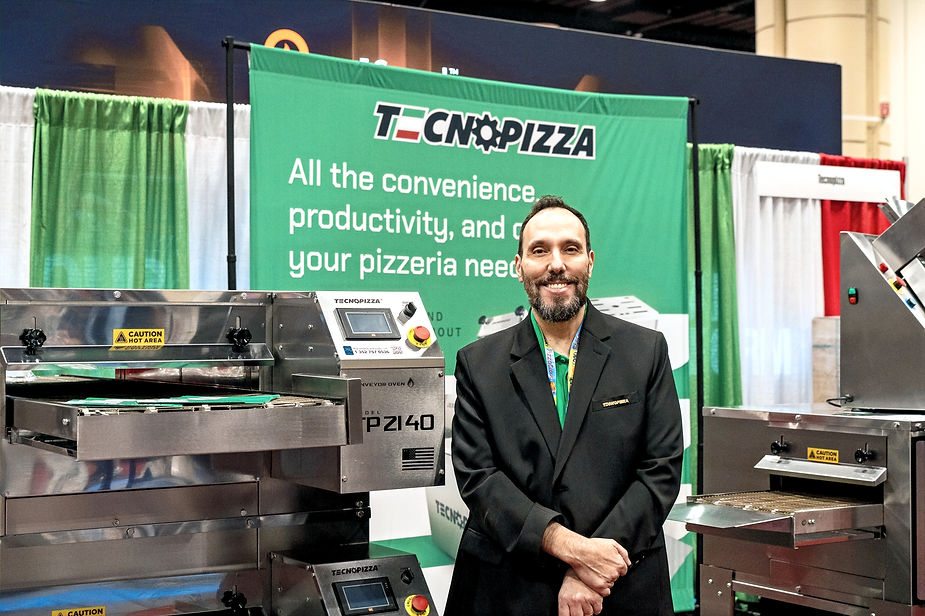
Image Caption: Commercial conveyor pizza oven in operation, illustrating steady output during a conservative production scenario.

5. Factors That Influence ROI in the U.S. Market
1. Market Demand
The U.S. has extremely high pizza consumption → ovens rarely sit idle.
2. Oven Type & Capacity
Choosing the right oven (conveyor, deck, brick) determines throughput potential.
3. Labor Availability
In the U.S., labor costs continue to rise. Ovens that reduce training complexity or automate the bake process accelerate ROI.
4. Energy Costs
Selecting a fuel-efficient model significantly impacts payback.
5. Workflow & Kitchen Layout
Small kitchen changes (prep table placement, cut station location) dramatically affect throughput.
6. Action Plan for U.S. Operators
-
Benchmark current pizzas-per-hour
-
Set a target for production growth
-
Choose an oven type that matches demand
-
Calculate payback using real volume and price data
-
Monitor utility costs monthly
-
Track KPIs: pizzas/hr, bake time, ticket time, cost per pizza
-
Evaluate ROI quarterly
 Explore Tecnopizza ovens that deliver this level of performance.
Conclusion
In the United States, commercial pizza ovens consistently prove to be one of the highest-return equipment investments in foodservice. With strong national demand, expanding delivery channels, and energy-efficient technology, many restaurants recover their investment within 12–24 months.
When operators choose the right oven, optimize workflow, and leverage real performance data, a commercial pizza oven does far more than bake pizzas — it becomes a profit engine.
Post Metadata
-
Categories:
Commercial Pizza Oven -
Tags:
commercial pizza oven,tecnopizza,pizza oven manufacturer,High-Volume Pizzeria,conveyor pizza oven,restaurant ROI,pizza production,restaurant profitability,Commercial Pizza Oven